


Earn 15+ CPD credits while staying current with the latest advances.
Register 3+ colleagues and unlock 20% team discount.
Publish your findings in collaborated journals and receive exclusive discounts.
The Global Ophthalmology and Vision Science Congress 2026 (GOVIS 2026) is an international platform dedicated to advancing eye health, visual sciences, and clinical ophthalmology through collaboration, research exchange, and innovation. Scheduled for October 26–28, 2026, the congress will be held in Boston, Massachusetts, United States, with a comprehensive online participation format for global accessibility. Bringing together ophthalmologists, optometrists, vision researchers, eye-care professionals, technologists, and industry representatives, the event aims to foster dialogue and inspire groundbreaking solutions to improve vision care worldwide. With an emphasis on scientific excellence, the congress offers an environment where experts can explore evolving challenges and opportunities in the field.
The GOVIS 2026 program features keynote lectures, scientific sessions, panel discussions, symposia, hands-on workshops, and clinical case presentations spanning all major subspecialties of ophthalmology and vision science. Topics include retinal disorders, glaucoma, cataract innovations, corneal and refractive advancements, pediatric ophthalmology, ocular imaging, neuro-ophthalmology, ocular oncology, global vision challenges, and emerging therapeutic technologies. Special focus sessions will explore digital ophthalmology, AI-assisted diagnostics, gene and cell therapies, regenerative techniques, and advanced surgical innovations. The congress aims to bridge the gap between research discovery and clinical practice, promoting knowledge transfer that enhances patient outcomes and supports global eye health initiatives.
The Global Ophthalmology & Vision Science Congress offers a unique opportunity for networking, collaboration, and professional development. Participants will engage with leading experts, connect with global peers, and explore state-of-the-art technologies showcased by industry partners. Whether attending onsite in Boston or joining virtually, delegates will benefit from high-quality scientific content, interactive discussions, and opportunities for research visibility. The congress also welcomes students, early-career professionals, and emerging researchers, providing a platform to present work, gain recognition, and foster mentorship connections. Join us in GOVIS 2026 to contribute to shaping the future of ophthalmology and vision science on a global scale.



University of Nebraska Medical Center, Omaha, NE, United States






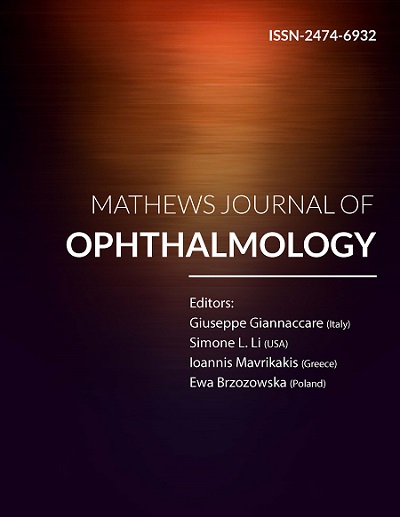


Mathews Journal of Ophthalmology is proud to serve as the supporting journal for this upcoming Global Ophthalmology & Vision Science Congress. As part of this collaboration, a DOI will be assigned to the conference proceedings book, ensuring the research and findings presented at the event are globally accessible and citable. Additionally, participants who wish to publish their full-length research articles have the opportunity to submit their manuscripts for consideration in the Mathews Journal of Ophthalmology. This is an excellent platform for researchers and professionals to share their contributions to the field, receive peer-reviewed recognition, and enhance the visibility of their work. Article processing charges a...
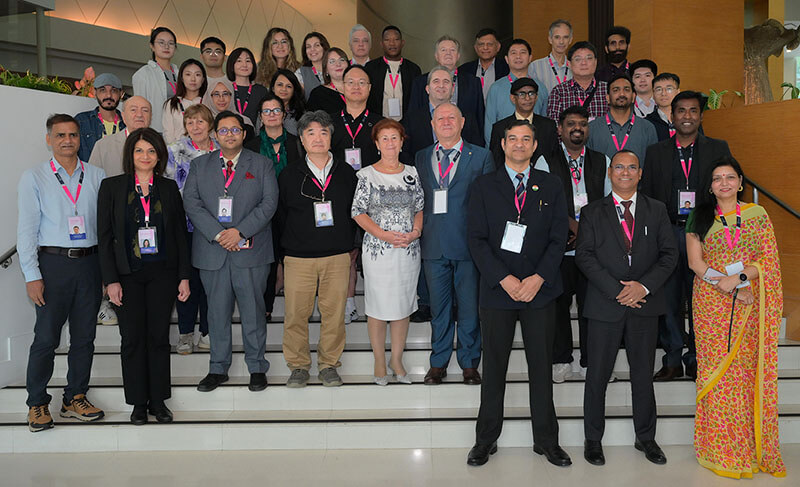
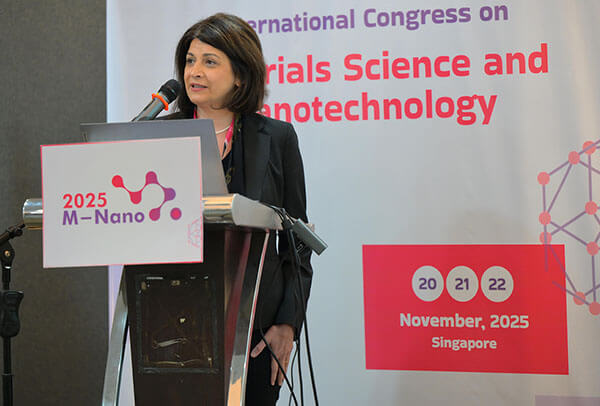
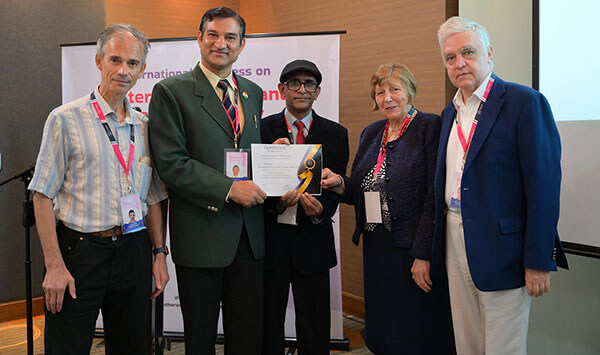
Browse through our collection of memorable moments from past conferences

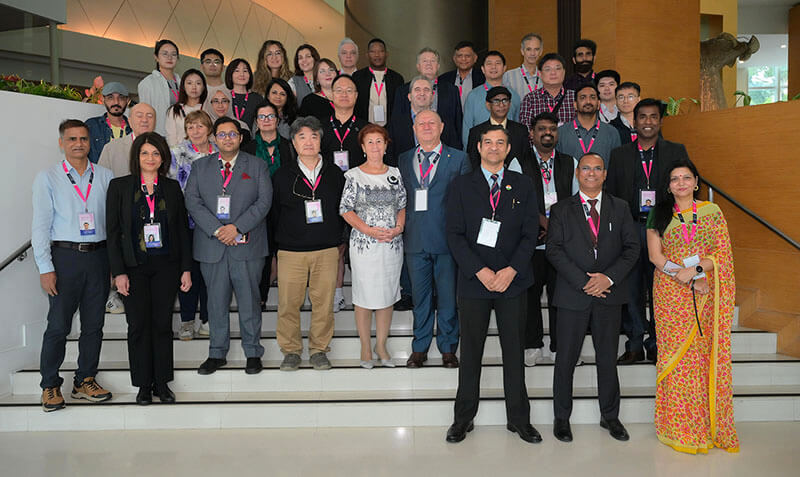
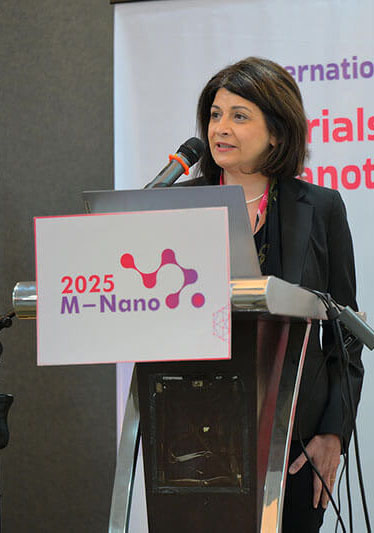

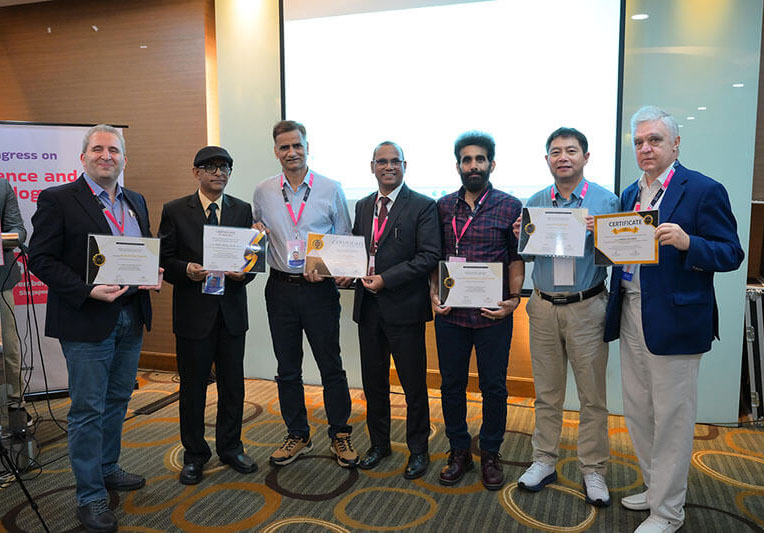
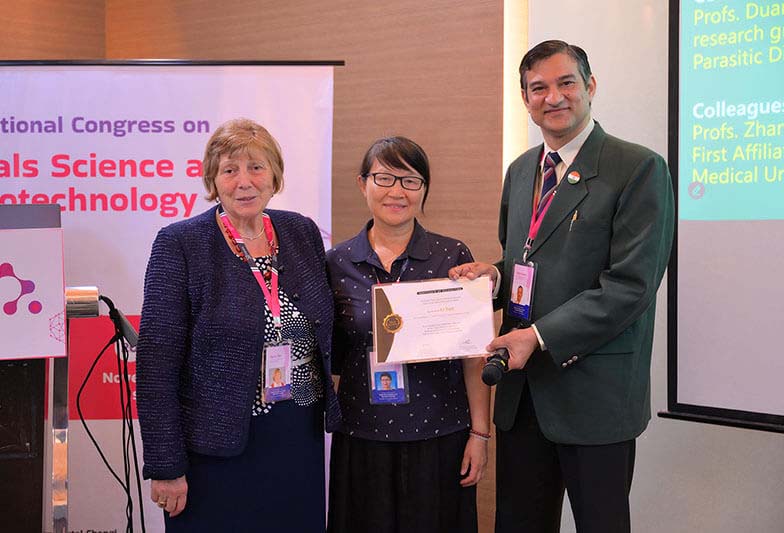

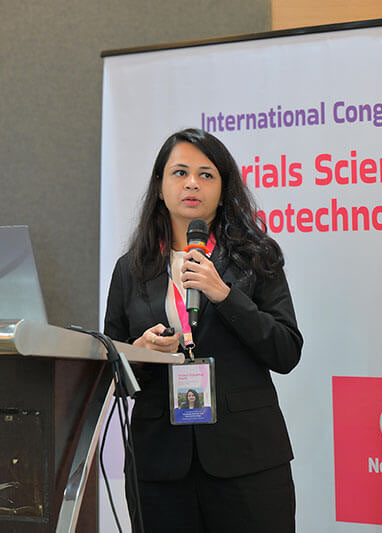
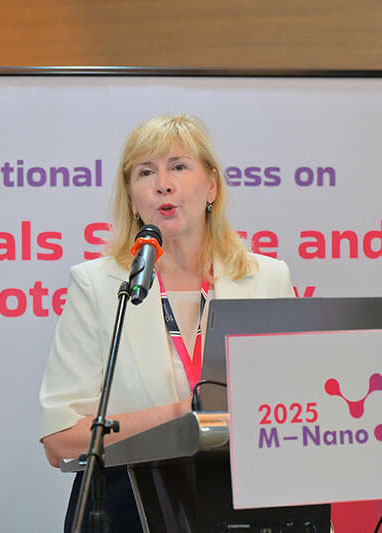

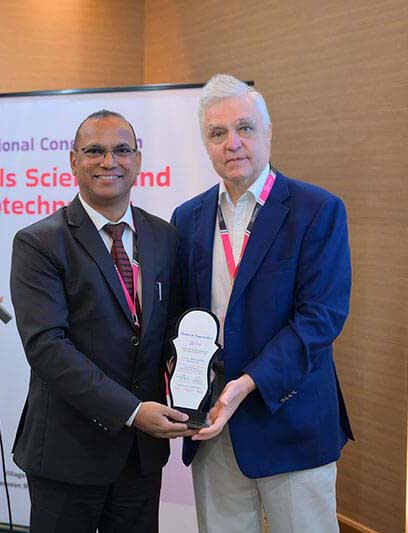
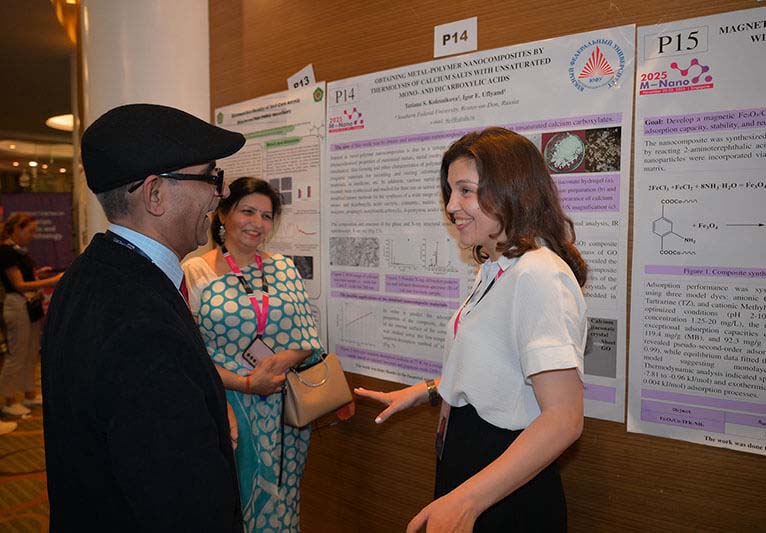
The global ophthalmology ecosystem is rapidly evolving from reactive treatment to predictive, preventive, and vision-restorative care. Explore the latest market trends and growth drivers shaping the future of eye care.
Retina care, cataract innovation, and glaucoma management are expected to remain major growth engines through 2030.
High-volume cataract care and fast-growing retinal disease management continue to shape capacity planning.
Technology adoption is shifting from pilots to system-wide implementation, especially in imaging and surgical workflows.
Ophthalmology is witnessing strong global growth as eye care increasingly shifts toward data-driven decision-making, advanced imaging systems, and personalized treatment pathways. The market is being shaped by aging populations, a rising prevalence of diabetes, increasing incidence of retinal and vision-related disorders, and expanding access to specialist care across both developed and emerging regions. These factors are steadily increasing demand for innovation, research, and collaboration across the global ophthalmic ecosystem.
At the same time, rapid progress in diagnostics, surgical technologies, digital health tools, and precision therapeutics is transforming clinical practice and creating new opportunities for healthcare providers, researchers, and industry leaders. As a result, every major Ophthalmology Conference now reflects a stronger focus on AI-enabled diagnostics, patient-centered care, and translational innovation. Leading Eye Conferences are also highlighting advances in disease prevention, imaging platforms, and minimally invasive interventions that are redefining standards of care.
This evolving landscape is also influencing the scientific agenda of each Vision Conference, where experts discuss emerging therapies, clinical evidence, and future-ready models for vision care delivery. In parallel, a global Vision Science Congress plays an important role in connecting discovery-based research with practical ophthalmic applications, helping the sector respond to growing healthcare needs and technological change.
Cataract surgery continues to evolve into a refractive-quality procedure, supported by premium intraocular lenses (IOLs), image-guided planning, micro-incision techniques, and selective adoption of femtosecond-assisted workflows.
Retina remains a high-growth segment due to diabetic retinopathy, diabetic macular edema (DME), and AMD. Health systems are expanding screening, referral pathways, and treatment capacity.
AI-supported OCT and fundus imaging analysis is being adopted for triage, measurement automation, quality checks, and risk stratification for glaucoma progression and retinal disease referrals.
Teleophthalmology is enabling earlier detection by bringing screening closer to communities. Remote image capture paired with specialist review supports scalable models for diabetic retinopathy and glaucoma screening.
Through 2030, the strongest growth is expected in retina (diabetic eye disease and AMD), cataract and premium IOL ecosystems, glaucoma detection and minimally invasive interventions, and AI-enabled imaging and screening networks. Expansion in emerging markets will further accelerate global adoption of modern eye-care pathways.
 Fenway Park
 Freedom Trail
 Boston Tea Party Ships & Museum
 North End
Copyright 2024 Mathews International LLC All Rights Reserved